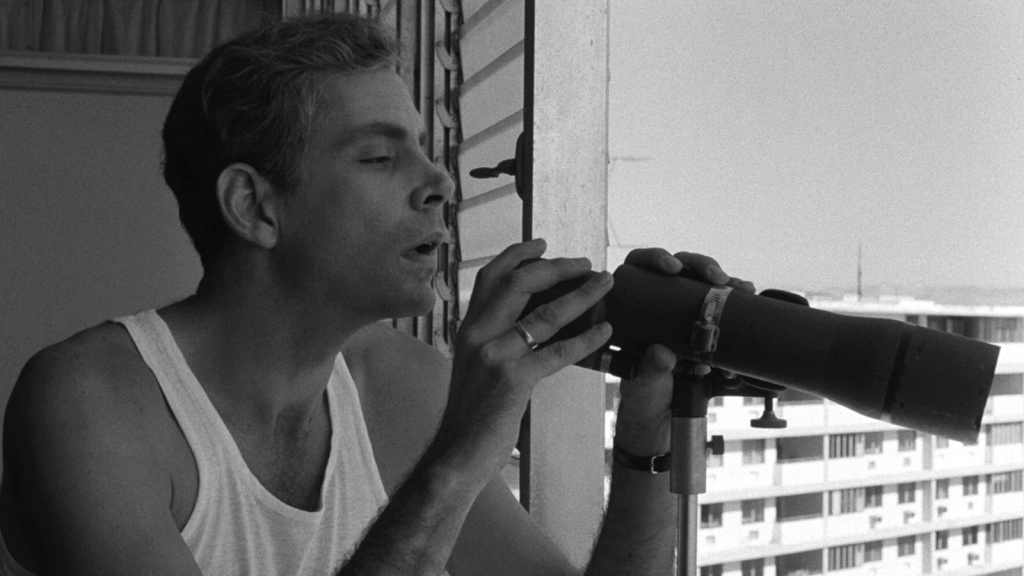
This March Screen Cuba film festival will present the iconic 1968 masterpiece of Cuban cinema ‘Memories of Underdevelopment’ (Memorias de subdesarrollo). Read more here about the director Tomás Gutiérrez Alea and the film.
“For a long time, every time they asked me about my profession, I was ashamed to say that I was a film director, because they did not exist in our country. When I said it, many thought that I was directing or managing a cinema, and they asked me which one. Eventually, trying to avoid this confusion, I said that I was a filmmaker…” Tomás Gutiérrez Alea
Finding in cinema all the expressions of art that infected his artistic spirit, Tomás Gutiérrez Alea (known affectionately in Cuba as Titan, in spanish ‘Titón’) became one of the most outstanding Cuban film directors of all time.
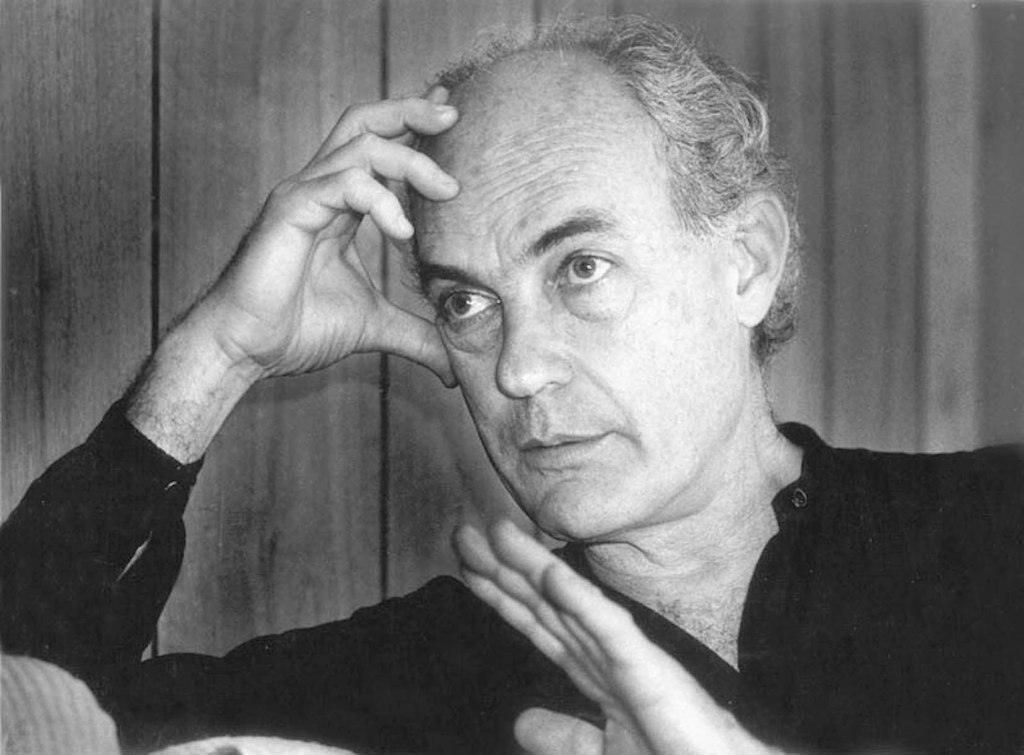
Nourished by Italian neorealism of the 1950s, after a stay at the film school in Rome, Tomás Gutiérrez Alea found in this artistic genre the appropriate capacity to create a national cinema, given the urgency of being able to look with a critical eye and tell the reality of Cuban society. Fuelled by this energy, the documentary ‘El Mégano’ (1955), directed by Julio García Espinosa with Alea’s collaboration, emerged. This was, without a doubt, a documentary that marked a ‘before-and-after’ in the history of Cuban cinema.
When the Revolution arrived in 1959, Alea was part of the team that together with Alfredo Guevara formed the Cuban Institute of Cinematographic Art and Industry (ICAIC). In the early 1960s he presented ‘Historia de la Revolución’, the first fiction feature film released by the newly created ICAIC. Likewise, the first promotional poster produced by the Institute was for this film, the work of prolific designer Eduardo Muñoz Bach.
Driven by passion and fury to create a truly authentic cinema with its own identity, in the sixties Alea gave the nation films of great historical and social value. Using jokes, drama, comedy, a society that was in constant change, and the dilemmas faced by people, were explained. These were films such as ‘The twelve chairs’ (1962), ‘The death of a bureaucrat’ (1966) and ‘Memories of underdevelopment’ (1968).
Most of Alea’s films portray a society in motion, maintaining that critical neorealism within cinema throughout his career as a filmmaker, based on constructive, realistic criticism and, of course, with a high degree of authenticity. For example, his film ‘Strawberry and Chocolate’ (1993) became one of the first to talk about homosexuality in national cinema.
Titón throughout his life managed to make more than 20 films, including feature films, documentaries and shorts. He showed a lucidity in highlighting the social, economic and political problems of the country. It is enough to go back to his filmography of the first years of the Revolution to realize how truly free his cinema was.
The Cinemateca de Cuba has devoted special attention to the restoration of his works, and it now has restored five fiction classics and a documentary: ‘The death of a bureaucrat’(1967), ‘Memories of underdevelopment’(1968), ‘A Cuban fight against demons’ (1971), ‘The survivors’ (1978). ‘The Last Supper’ (1976), and the documentary ‘The Art of Tobacco’ (1974).
From CubaCine on the 25th anniversary (16 April 2021) of the death of Cuban film director Alea Link to the original article in Spanish by Cubacine April 2021
ScreenCuba25 is showing
Memories of Underdevelopment / Memorias de subdesarrollo (Tomas Gutierrez Alea, 1968, ICAIC, Cuba)

This film by Alea is the most internationally renowned work in the history of Cuban cinema. It explores the ambivalent thoughts of narcissistic anti-hero Sergio, a wealthy aspiring intellectual, as he faces a new uncertain life after his wife and family flee to the US between the Bay of Pigs invasion and the missile crisis and he chooses to stay. An extraordinary example of 1960s filmmaking, from the point of view of an ‘outsider’ complaining about and struggling to join in with the revolution, it asks the viewer where they stand. Intimate and densely layered, a collage of life in revolutionary Cuba is created using experimental editing techniques, archival footage, and spontaneously shot street scenes.

Starring Sergio Corrieri and Daisy Granados, the film won many awards including at the National Society of Film Critics Awards, USA in 1974, and according to the New York Times was one of the 10 best films of 1968. The Guardian review gave it 5 stars.
Watch a trailer for Memories of Underdevelopment



 SCREEN CUBA, 15-28 March 2026, LONDON & BEYOND