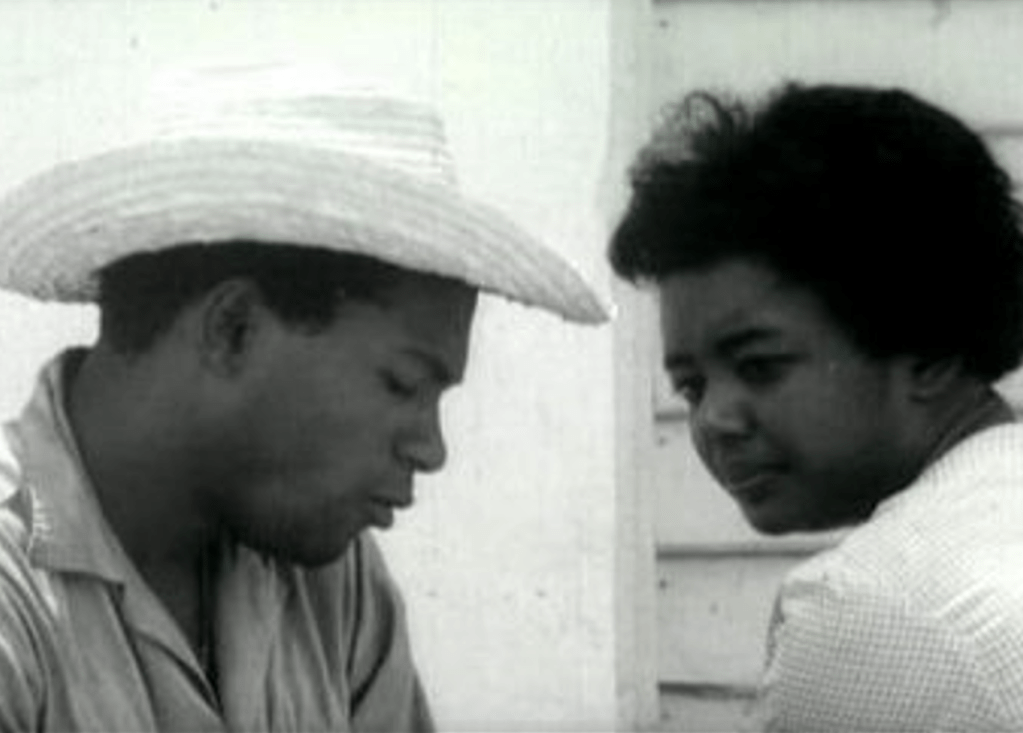
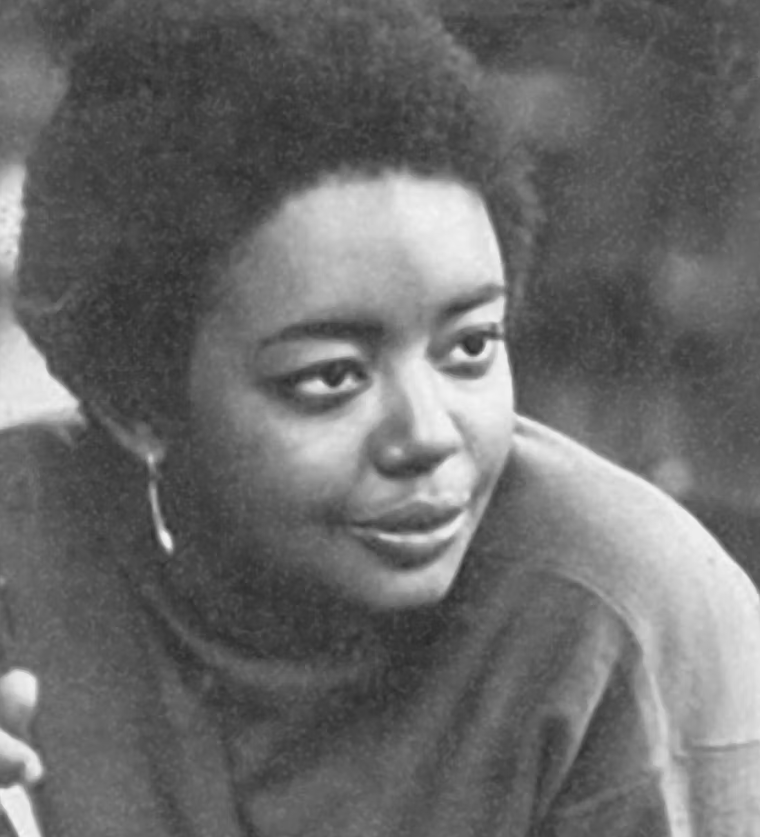
Sara Gómez, the first female director at the Cuban film institute (ICAIC), passionately explores everyday life with all its turmoil in the revolution’s early days. She was committed to the revolution and to changing society by creating a new cinematic language that addressed the themes and intersections of race, class and gender.
Screen Cuba 2025 presents a remarkable recently restored trilogy by this outstanding director filmed on the Isle of Pines (renamed the Isle of Youth in 1978). This large island to the southwest of Cuba was turned over to youth and education during the 1960s, becoming the site of a re-educational programme aimed at young people not in education or work, including those who ‘lived by the law of the street’, to participate in achieving the goals of the revolution.
In this trilogy dedicated to the Isle of Pines, Gómez displays her participatory approach as she becomes more than an interviewer, as she intervenes in the changes that the youth are navigating on the island, winning their trust, challenging them, and exploring their changing social conditions and emotional realities, all on the same plane with them and with great respect for their voices to be heard.
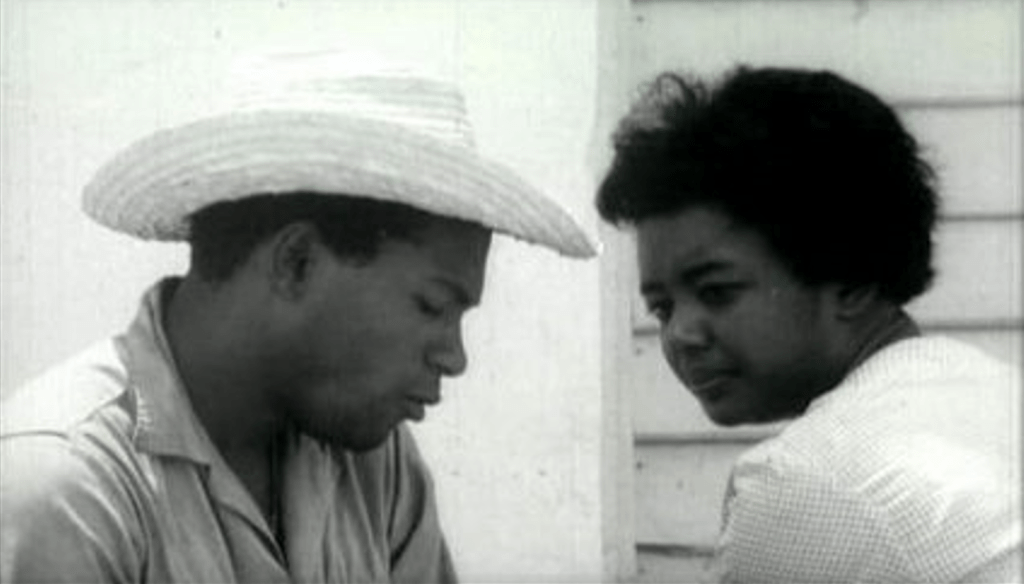
On the other island / En la otra isla | Sara Gómez | Cuba, 1968, ICAIC | 41m | Spanish with English subtitles, B&W | 18
The first short of the trilogy features portraits of people living on the Isle of Pines including those sent to the youth re-education centre. As informal conversation with the islanders flows, normal conventions of the interview format disappear. Gómez appears in the frame, alongside clapper boards and notices of what comes next. The remarkable trust she establishes with her wide range of interviewees, including an opera singer, a field worker, a theatre manager, a former candidate for priesthood, and others, results in candid and often intimate exchanges about race, crime, and changing ideologies. Experiences at the re-education centre are explored and Gomez comments that she wants to make a further documentary about one youth, Miguel, so she can “go deeper into the behaviour” of adolescents like these.

Island for Miguel / Isla para Miguel | Sara Gómez | Cuba, 1968, ICAIC | 22m | Spanish with English subtitles, B&W | 18
This remarkable short, written by Sara Gómez and Tomás Gutierrez Alea, features Miguel who has been sent by his brother-in-law to the Isle of Pines where he can “learn the ethics of work”, according to the film’s narrator. He is from a single parent family of 12 in a poor Havana neighbourhood. As a member of the Vikings, a street gang identified by ‘their violence and appearance’, he symbolises an important challenge facing the new society – how to avoid the lure of gang life that continued to attract young Cubans from marginalised communities.
By introducing Miguel’s family, Gómez is able to delve deeper into his social and economic environment. Exploring Miguel’s time at the centre in that context, she captures both the challenges of agricultural labour and camp discipline that Miguel faces, as well as scenes of enjoyment – swimming, kayaking, playing chess, boxing. With sensational music by celebrated Cuban pianist and composer Chucho Valdés, Gómez charts a serious, compassionate approach to issues that she has brought to the surface.
Treasure Island / Isla de Tresoro | Sara Gómez | Cuba, 1969, ICAIC | 10m | Spanish with English subtitles, B&W | 18
This final film of Sara Gómez’s trilogy celebrates the Isle of Pines as it becomes a productive society based on citrus production led by youth, leaving behind a history of pirates, adventurers and colonisers, including US plantation owners. As stills of historic scenes from the island flash by, Gomez also inserts newsreel footage from times before the 1959 revolution. Dramatic shots of the powerful architecture of the Presidio Modelo, where Batista imprisoned Fidel Castro in 1953, are effective counterpoints to footage of workers dismantling the prison, as well as others in the citrus fields preparing land for future generations. A poetic essay that flies the flag of the new generation. “They are no older than 20 and they aren’t afraid of life.”
These documentaries were recently restored by Vulnerable Media Lab led by Susan Lord at Queens University, Canada in collaboration with ICAIC.


 SCREEN CUBA, 15-28 March 2026, LONDON & BEYOND