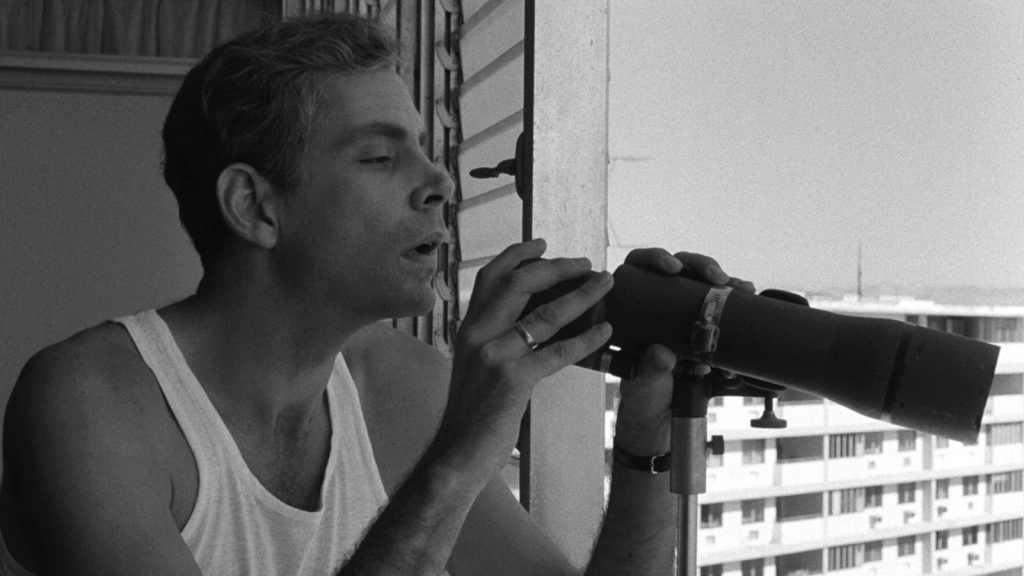
This film by Alea, possibly Cuba’s greatest director, is the most internationally renowned work in the history of Cuban cinema. It explores the ambivalent thoughts of an anti-hero, privileged would-be writer Sergio as he faces a new uncertain life after his wife and family flee to the US between the Bay of Pigs invasion and the missile crisis and he chooses to stay. In 1968 and after, many saw it as a burning indictment of the passive intellectual. It’s an extraordinary example of 1960s filmmaking for several reasons. Made from the point of view of an ‘outsider’ complaining about and struggling to join in with the revolution, it asks the viewer where they stand. It is also intimate and densely layered, a collage of life in revolutionary Cuba is created using experimental editing techniques, archival footage, and spontaneously shot street scenes. The film was recently restored.
Introduced by Michael Chanan, filmmaker and writer, author of ‘Cuban Cinema’ (2003) and special guest from Cuba, Silvia Padrón Durán, director of La Manigua film and culture project for children and young people in Havana.
Tue 25 March 2025, 6.30pm Screen 1, at the ICA, London
Memorias del subdesarrollo / Memories of Underdevelopment | Tomas Gutierrez Alea | Cuba, 1968, ICAIC | 104m |Spanish with English subtitles, B&W | 15
AWARDS New York Times: one of the 10 best films of 1968; FIPRESCI Prize, Karlovy Vary International Film Festival (1970); Nominee, Best Actor, Official Selection, BFI London Film Festival (1971); Richard and Hilda Rosenthal Foundation Award, National Society of Film Critics Awards, USA (1974); 144th Best film of all time, Sight & Sound poll (2012)
PLUS SHORT
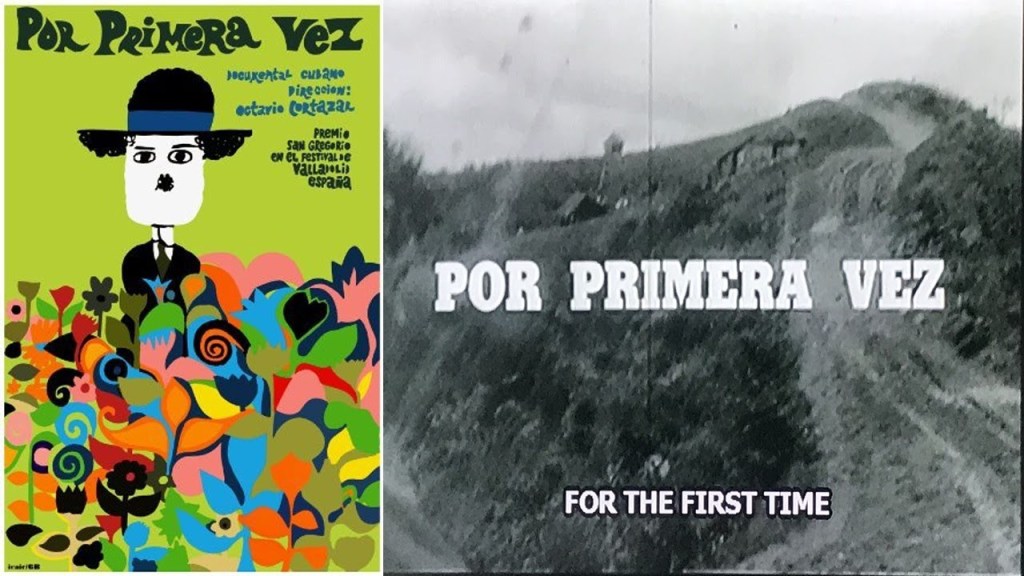
For the First Time / Por la primera vez | Octavio Cortázar | 1967, Cuba, ICAIC | 10m | Spanish with English subtitles |
Children and adults in a rural community watch a film for the first time in their lives. The entire documentary was shot on April 12, 1967 in the remote mountain village of Los Munos near Baracoa, and shows the ICAIC mobile cinema truck travelling to the village, as well as interviews with both the projectionists and villagers. Taking cinema to rural areas was an important part of the work of Cuba’s film institute, in the days when no-one had TVs and transport to towns was extremely difficult.


 SCREEN CUBA, 15-28 March 2026, LONDON & BEYOND